

We are standing on the precipice of a financial renaissance. The innovations of the last decade—mobile apps, crypto, and AI—were merely the foundation. The next phase will not just improve finance; it will render it invisible, instantaneous, and infinitely intelligent.
As we conclude our journey through the AI revolution and the Fintech shift, it is clear that the future of money is becoming less about “transaction” and more about “flow.” In the coming decade, financial services will be embedded into the very fabric of our lives—cars that pay for their own parking, contracts that execute themselves, and currencies that are programmable.
In this final guide, we look ahead to 2030 and beyond. We will explore the disruptive potential of Quantum Computing, the maturation of Decentralized Finance (DeFi), and the emergence of a truly borderless global economy.
The Quantum Leap: Finance at Light Speed
If AI is the brain of the future financial system, Quantum Computing is the engine. While still in its infancy, Quantum technology promises to solve complex optimization problems that today’s supercomputers would take thousands of years to crack.
In the near future, Quantum algorithms will enable real-time risk modeling for entire global markets instantly. However, this power comes with a threat: Quantum computers could theoretically break the encryption that currently secures the banking system. This is driving the race for “Post-Quantum Cryptography”—a new security standard that will define the next era of digital trust.
The Maturity of Decentralized Finance (DeFi)
DeFi began as a chaotic experiment, but it is evolving into DeFi 2.0—a regulated, institutional-grade layer of the economy. By removing intermediaries (banks, brokers) and replacing them with Smart Contracts, DeFi promises a system where anyone with an internet connection can lend, borrow, and trade.
🔮 2030 Prediction:
We will see the rise of “Hybrid Finance” (HyFi), where traditional banks use DeFi protocols on the backend to settle transactions, combining the regulatory safety of the old world with the speed and efficiency of the blockchain.
Embedded Finance: The Era of Invisibility
The ultimate goal of financial innovation is Invisibility. In the future, you won’t “go to the bank” or even “open a banking app.” Banking will be a feature embedded in other products.
- Your Car: Automatically pays for tolls, charging, and insurance based on mileage.
- Your Fridge: Automatically orders and pays for groceries when supplies run low.
- Your Job: “Streaming Salaries” where you are paid every second you work, rather than waiting two weeks for a paycheck.
| Paradigm | Web2 Finance (Current) | Web3 Finance (Future) |
|---|---|---|
| Intermediary | Centralized (Bank/Clearing House) | Decentralized (Smart Contract) |
| Settlement | T+2 Days | Atomic (Instant) |
| Access | Permissioned (Must apply) | Permissionless (Open to all) |
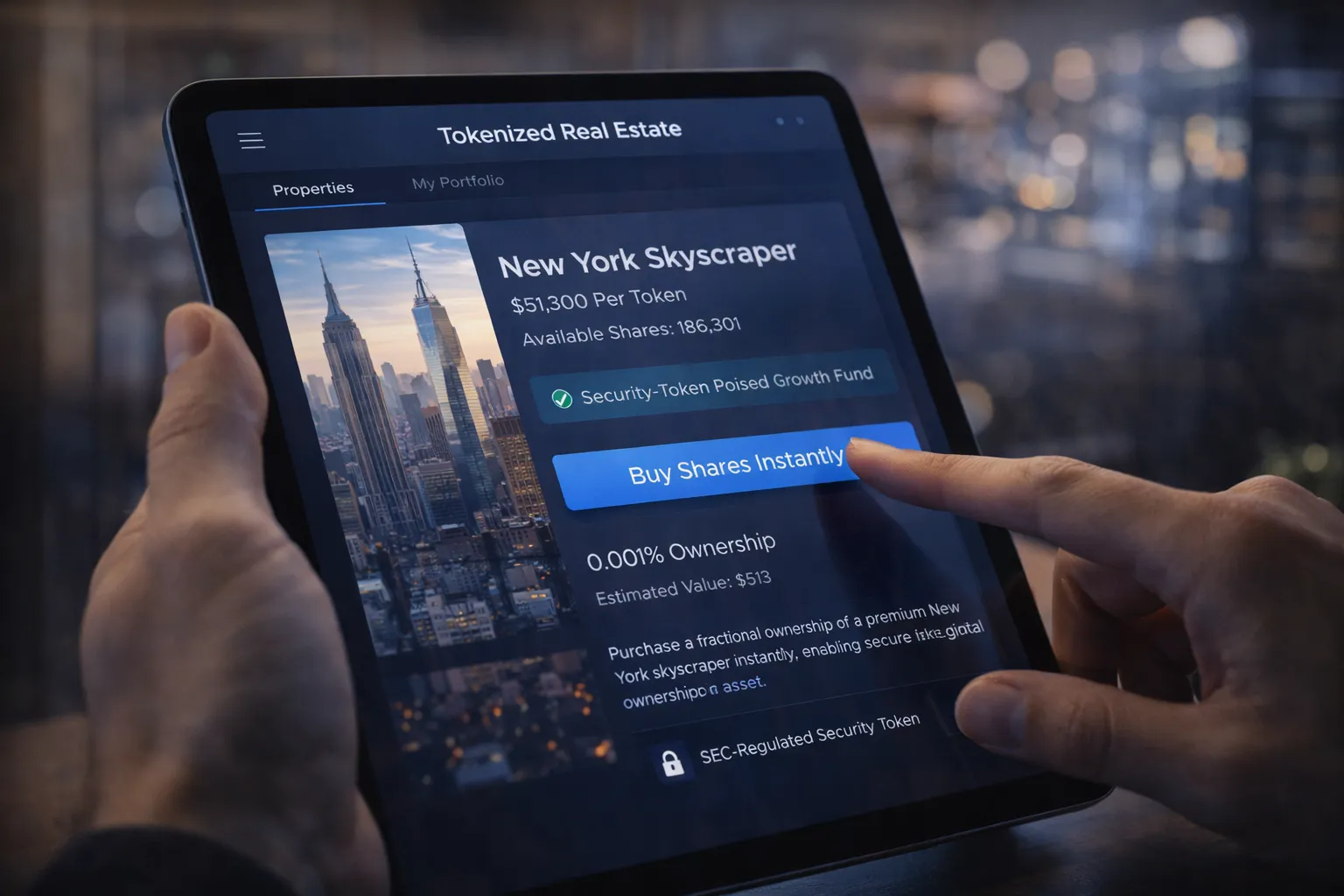
| Assets | Fiat Currency / Stocks | Tokenized Real-World Assets (RWA) |
⚠️ The Skills Gap Warning:
As automation takes over transactional roles, the most valuable financial skill in the future will not be calculation, but Financial Engineering and Ethics. Understanding how to design these systems will be more valuable than operating them.
Final Thoughts: The End of Money as We Know It
The future of financial innovation is not just about making things faster; it is about redefining value. We are moving from a world of scarce, physical currency to a world of abundant, programmable value.
As we conclude our Fintech & Future series—and indeed, our comprehensive exploration of the financial world—the message is clear: Adaptability is the only currency that never depreciates. Whether you are an investor, a consumer, or a professional, staying curious and educated is your best hedge against the unknown.
Frequently Asked Questions (FAQ)
Will Quantum computers destroy Bitcoin?
It is a theoretical risk, but unlikely to destroy it. Blockchains are already developing “Quantum-Resistant” upgrades. It will likely be an arms race between hackers and developers, much like cybersecurity is today.
What is “Streaming Money”?
Streaming Money is a concept made possible by programmable currencies. Instead of a monthly salary, money flows into your wallet in real-time, second by second, as you work. This drastically reduces the need for payday loans and improves liquidity for workers.
How can I prepare for this financial future?
Focus on Digital Literacy. Learn the basics of how blockchains work, understand digital security (like 2-factor authentication and cold storage), and diversify your investments to include both traditional assets and emerging technologies.




Be the first to comment