

Risk tolerance is the measure of how far you can look into the horizon when the markets turn red. The best investment strategy is the one that allows you to sleep soundly at night.
In the investing world, risk is not just the possibility of losing money; it is the probability of a deviation from an expected outcome. In the fast-moving markets of 2026, many investors believe they are “aggressive” on paper, only to abandon their strategy during a natural market correction. Understanding your true risk tolerance is the only way to prevent emotional decisions from sabotaging your financial future.
Building on our exploration of long-term vs short-term horizons, your risk tolerance is the emotional engine that drives those timelines. In this guide, we will distinguish between risk appetite and risk capacity, and help you design a portfolio that matches your unique psychological profile.
The Gap Between Risk Appetite and Risk Capacity
Understanding risk requires separating two distinct concepts: Risk Appetite (Emotional) and Risk Capacity (Financial). Most investors follow their appetite, but true strategists build their plans around their capacity.
The Capacity Stress-Test
Financial planners identify three main pillars that determine your actual capacity to take risks:
- Time Horizon: When do you need the money? (Longer horizons increase capacity).
- Net Worth: What percentage of your total wealth is at stake?
- Income Stability: How reliable is your cash flow to cover potential losses?
Investor Profiles and Strategic Alignment
Modern finance typically categorizes investors into three main buckets. In the context of 2026 market conditions, these profiles generally align with the following asset allocations:
| Profile | Characteristics | Target Allocation (2026) |
|---|---|---|
| Conservative | Focus on capital preservation. | 60% Bonds, 30% Cash/Gold, 10% Equities. |
| Balanced | Equal focus on growth and income. | 50% Equities, 40% Bonds, 10% Alternatives. |
| Aggressive | Seeking high returns via high volatility. | 80% Growth Stocks, 20% Crypto/Venture Capital. |
⚠️ Critical Warning:
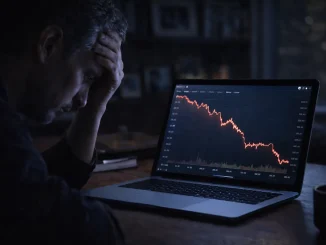
If you are checking your portfolio every hour during a 10% market dip, you are likely over-leveraged beyond your emotional risk appetite. This can lead to panic selling, which disrupts your smart budgeting and long-term stability.
Techniques for Managing Volatility
Regardless of your tolerance level, there are technical ways to manage the “feeling” of risk. Dynamic Asset Allocation is a popular 2026 strategy that involves automatically rebalancing a portfolio based on market volatility indicators.
Furthermore, maintaining a robust emergency fund is the single greatest psychological booster for any investor. Knowing that your basic needs are covered allows you to view market downturns as “buying opportunities” rather than “financial disasters.”
[Image: A realistic photo of an investor’s desk featuring a laptop with a complex risk-assessment questionnaire UI and a cup of tea, representing calm analysis.]
Final Thoughts: Defining Your Boundaries
Risk tolerance is not static; it evolves as your age, income, and experience grow. The goal is to build a strategy based on internal realities rather than external market trends. An investor who understands their own limits is often more successful than the most intelligent person in the room who lacks emotional discipline.
Once you have identified your risk profile, the next step is to manage that risk through borderless asset allocation. In our next article, we will dive into diversification strategies for global investors to maximize your resilience.
Frequently Asked Questions (FAQ)
Should my risk tolerance change as I age?
Generally, yes. Traditional wisdom suggests shifting toward more conservative assets as you approach retirement. However, in 2026, with increasing lifespans, some equity exposure is usually necessary even in retirement to combat the effects of inflation.
How does inflation affect my risk tolerance?
Inflation increases the risk of holding cash. For conservative investors, this creates a dilemma: staying “safe” in cash means losing purchasing power. This often forces a shift toward higher-risk assets like commodities or equities just to stay level.
How can I accurately measure my risk tolerance?
Ask yourself: “If my portfolio dropped 20% in one month, would I sell, hold, or buy more?” If your instinct is to sell, your current strategy is too aggressive for your emotional appetite. A true risk assessment should be done during a calm market, not during a crisis.



Be the first to comment