
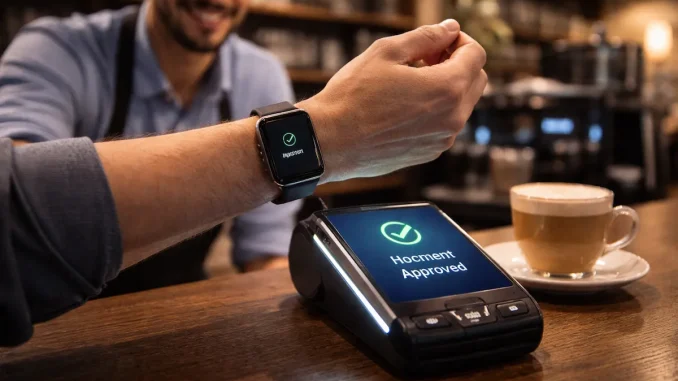
Cash is no longer king; convenience is. In a world where time is the most valuable currency, the friction of counting coins and waiting for change is rapidly becoming a relic of the past.
By 2026, the concept of “money” has fundamentally shifted from a physical object you hold to a digital permission you grant. The rise of contactless payments, biometric authentication, and integrated “Super Apps” has made transactions invisible, seamless, and instantaneous. While this shift offers unparalleled efficiency for the global economy, it also raises critical questions about privacy and autonomy.
Building on our analysis of how Fintech is changing the system, we now zoom in on the specific mechanism of exchange. In this guide, we will explore the technologies driving the cashless revolution, the rise of government-backed digital currencies, and the inevitable trade-offs between convenience and surveillance.
The Rise of the “Super Wallet”
The digital wallet has evolved beyond a simple storage for credit card numbers. It has become a Digital Identity Hub. In 2026, leading platforms integrate payments, loyalty programs, transit passes, and even government IDs into a single, encrypted interface.
This consolidation is driven by Tokenization technology. When you pay with your phone, your actual card number is never shared with the merchant. Instead, a unique, one-time token is generated. This makes digital payments mathematically more secure than carrying a physical card that can be skimmed or stolen.
🚀 Trend Alert: Biometric Payments
Forget the phone; you are the wallet. “Pay-by-Palm” and “Face-to-Pay” technologies are now standard in major transit systems and retail chains, reducing checkout times to under 3 seconds.
Central Bank Digital Currencies (CBDCs)
While cryptocurrencies started the digital conversation, governments are finishing it with CBDCs. Unlike decentralized crypto, a CBDC is a digital version of a national currency (like a Digital Dollar or Digital Euro) issued directly by the Central Bank.
This creates a direct line between the citizen and the state, bypassing commercial banks for certain transactions. It promises faster welfare distribution and cheaper cross-border transfers but introduces the potential for programmable money—where funds could theoretically be restricted to specific uses or expiration dates.
| Attribute | Physical Cash 💵 | Digital Currency 💳 |
|---|---|---|
| Privacy | Anonymous | Traceable / Transparent |
| Transaction Speed | Instant (Face-to-Face) | Instant (Global) |
| Cost to Economy | High (Printing/Transport) | Low (Server Maintenance) |
| Security Risk | Theft / Loss | Cybercrime / Data Breach |
The Privacy Paradox
The biggest hurdle to a fully cashless economy is not technology; it is trust. Every digital transaction leaves a data trail. Marketing firms, credit bureaus, and governments can build a comprehensive profile of your life based solely on your spending habits.
⚠️ Critical Warning:
In a cashless society, financial censorship becomes possible. If your access to your digital wallet is frozen, you are effectively locked out of the economy. This is why many financial experts advocate for keeping a small portion of savings in physical assets or decentralized currencies.
Final Thoughts: A Hybrid Future
While the trend is undeniably moving toward digital, a completely cashless society may inevitably create exclusion for the elderly or technology-averse populations. The most likely future is a “Hybrid Economy” where digital is the default for speed, but physical cash remains a niche option for privacy and backup.
As payments evolve, the institutions that manage them must also transform. In our next article, we will examine how these digital shifts are forcing centuries-old banks to reinvent themselves in how technology is reshaping traditional banking.
Frequently Asked Questions (FAQ)
What happens to digital payments if the power goes out?
This is the primary weakness of a cashless system. However, “Offline Payment” protocols are being developed for CBDCs and mobile wallets, allowing devices to exchange value via Near Field Communication (NFC) even without an internet or grid connection for a limited time.
Is using a digital wallet safer than a credit card?
Yes. Tokenization means your real card number is never stored on the merchant’s server. If the merchant is hacked, the hackers only get a useless, one-time token, not your actual financial details.
Can the government track all my digital payments?
Generally, yes. Unlike cash, digital transactions go through centralized intermediaries (banks, payment processors) that are legally required to monitor for fraud and money laundering. CBDCs would give the issuer even more direct visibility.

1 Trackback / Pingback