
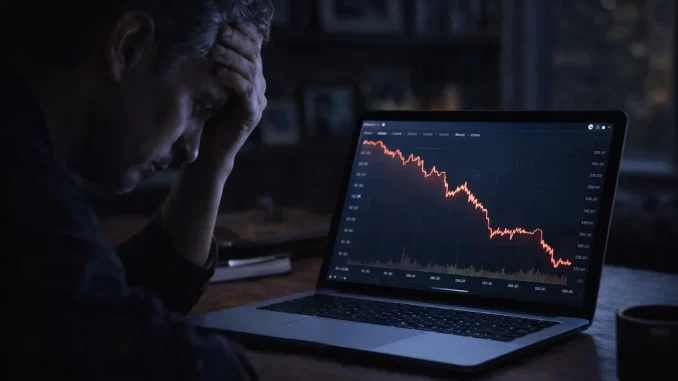
In investing, what you don’t do is often more important than what you do. While picking winners is difficult, avoiding losers—especially the ones caused by unforced errors—is entirely within your control.
History shows that the average investor consistently underperforms the market index. This isn’t because the market is rigged, but because human psychology is hardwired to make poor financial decisions under pressure. We buy when we feel euphoria (high prices) and sell when we feel fear (low prices), effectively sabotaging our own wealth.
Having established a sustainable strategy in our previous guide, we must now protect it. In this final analysis of our Investing Strategies series, we will expose the most dangerous traps in the 2026 financial landscape—from the siren song of FOMO to the silent killer of high fees—and provide actionable defenses against them.
The Trap of Market Timing
The most pervasive myth in investing is that you can predict the future. Investors often try to “time the market” by selling before a crash and buying at the bottom. In reality, missing just the 10 best days of the market over a 20-year period can cut your returns in half.
⚠️ The Cost of Sitting Out:
Study after study confirms: Time in the market beats timing the market. Instead of trying to guess the tops and bottoms, use Dollar-Cost Averaging to smooth out your entry price over time.
Succumbing to FOMO and Hype Cycles
In 2026, information moves at the speed of light, and the “Fear Of Missing Out” (FOMO) is a constant threat. When a specific sector (like AI or a new cryptocurrency) skyrockets, investors often abandon their diversified plans to chase the hot trend—usually right before the bubble bursts.
Buying an asset simply because “everyone else is making money” is not investing; it is gambling. A disciplined investor asks: “Does this asset fit my risk tolerance, or am I just reacting to social pressure?”
[Image: A realistic photo of a smartphone screen showing a social media feed full of “Get Rich Quick” stock posts, with a skeptical person holding the phone.]
Ignoring the Silent Killer: Fees and Expenses
While you cannot control market returns, you can control your costs. Many investors ignore expense ratios, trading commissions, and advisory fees. Paying 2% in fees might sound small, but over 30 years, it can consume up to 40% of your potential wealth.
| Investment Amount | Annual Fee | Value Lost Over 30 Years |
|---|---|---|
| $100,000 | 0.25% (Low Cost) | ~$12,000 |
| $100,000 | 1.00% (Average) | ~$45,000 |
| $100,000 | 2.00% (High Cost) | ~$85,000+ |
Emotional Bias and the Sunk Cost Fallacy
The “Sunk Cost Fallacy” occurs when an investor holds onto a losing investment simply because they have already put so much money (or time) into it. They hope it will bounce back to “break even.”
Successful investors cut their losers early. If the fundamental reason you bought an asset is no longer valid, holding it is an emotional error, not a strategic decision. As we discussed in risk tolerance, your portfolio should reflect your future potential, not your past mistakes.
Final Thoughts: Discipline is Your Greatest Asset
Avoiding these common mistakes doesn’t require a PhD in finance; it requires self-awareness. By automating your investments, keeping your costs low, and tuning out the noise of the daily news cycle, you place yourself in the top tier of successful investors.
This concludes our Investing Strategies series. You now have the roadmap—from understanding time horizons and risk to building a diversified, sustainable, and mistake-proof portfolio. The tools are in your hands; the rest is up to your discipline.
Frequently Asked Questions (FAQ)
What is “panic selling”?
Panic selling happens when a sudden drop in stock prices triggers fear, causing an investor to sell off assets to “stop the bleeding.” This locks in the loss and prevents the investor from recovering when the market eventually rebounds.
How do I stop checking my portfolio too often?
The best way is to automate your contributions and delete trading apps from your phone. Checking daily invites emotional decision-making. Set a schedule to review your accounts only once per quarter.
Is cash a safe investment to avoid mistakes?
While cash feels safe, it is guaranteed to lose value over time due to inflation. Holding too much cash is actually a form of “Market Timing” mistake (waiting for a crash) and is rarely a successful long-term strategy.



Be the first to comment