

Credit is like fire: managed correctly, it powers the engine of your financial life; left unchecked, it can burn your entire house down. In 2026, the difference between a wealthy individual and a struggling one often comes down to one thing: discipline.
Most consumers view credit as “extra money,” but the world’s most successful investors view it as a leverage tool. Throughout this series, we’ve decoded how the banking system works and how interest rates dictate your costs. Now, it’s time to put those pieces together into a strategy that works for you, not the banks.
Responsible credit use isn’t about avoiding debt altogether—it’s about understanding the “why” and “how” behind every dollar you borrow. In this final guide, we outline the golden principles that will keep you on the side of growth and out of the trap of perpetual interest payments.
The 30% Rule: Your Utilization Guardrail
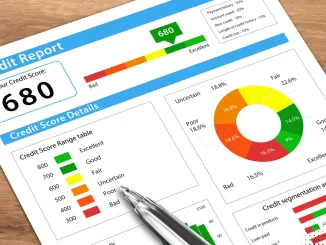
As we discussed in our guide on credit scores, utilization is king. However, responsible users don’t just wait for the bill; they manage their balances in real-time.
💡 Pro-Tip: Set up “Balance Alerts” on your banking app for 25% of your limit. This gives you a 5% buffer to take action before your credit score takes a hit.
Debt-to-Income (DTI) Ratio: The Ultimate Health Metric
Lenders don’t just look at your score; they look at your DTI. This is the percentage of your gross monthly income that goes toward paying debts. To stay “financially agile” in 2026, aim for these benchmarks:
| DTI Ratio | Status | Action Plan |
|---|---|---|
| Below 20% | Optimal | Excellent position for new investments or mortgages. |
| 21% – 35% | Manageable | Good, but monitor variable interest rate products closely. |
| Above 43% | High Risk | Likely to be denied for new credit. Focus on aggressive repayment. |
Distinguishing “Good Debt” from “Bad Debt”
Not all debt is created equal. The secret to wealth building is using Low-Interest, Tax-Advantaged, or Value-Adding debt to grow your net worth.
✅ Good Debt
Mortgages, Student Loans, Business Loans. These typically have lower rates and the potential to increase your future income or net worth.
❌ Bad Debt
High-interest credit cards, payday loans, or financing depreciating assets (like luxury clothes). This is a “wealth leak” that compounds against you.
⚠️ Warning: Even “Good Debt” can turn bad if the monthly payments exceed your cash flow. Always stress-test your budget against a 2% interest rate hike.
Final Thoughts: Your Credit, Your Future
As we conclude this series on **Banking & Credit**, the message is clear: the financial system is a powerful tool, but you must be the one holding the handle. Responsible credit use is about more than just paying bills on time; it’s about strategic planning, constant monitoring, and the courage to say “no” to bad debt.
By mastering your score, understanding your interest costs, and maintaining a healthy DTI ratio, you position yourself to thrive in any economic climate. You have moved from a passive participant to a strategic player in the global economy.
FAQ
What is the “Snowball Method” vs. the “Avalanche Method”?
The Snowball Method focuses on paying off the smallest debt first to gain psychological momentum. The Avalanche Method focuses on paying off the debt with the highest interest rate first, saving you the most money in the long run. In 2026’s high-rate environment, the Avalanche method is usually more efficient.
How often should I review my credit report?
At a minimum, once every quarter. Identity theft and reporting errors are common. Catching an error early can save you from a denied loan application or an unexpected interest rate hike on your existing accounts.



Be the first to comment