
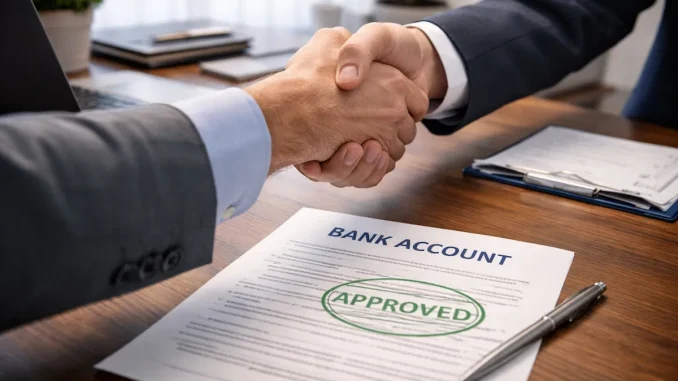
You walk into a bank with your deposit ready, only for the teller to look at their screen and say, “We cannot open an account for you at this time.” Your credit score is decent, and you have a steady job. What went wrong?
The culprit is likely ChexSystems. While the world obsesses over credit scores, banks use this separate, invisible reporting agency to track your “banking behavior.” If you have ever had a forced account closure, unpaid overdraft fees, or suspected fraud in the past five years, you might be on a secret banking blacklist.
In this guide, part of our financial recovery series, we reveal the inner workings of ChexSystems. We will explain how to get your report for free, how to dispute errors, and why “Second Chance Banking” is the bridge you need to return to the financial mainstream.
What is ChexSystems? (The “Credit Score” for Banks)
ChexSystems is a national consumer reporting agency that tracks how you handle checking and savings accounts. Over 80% of banks and credit unions use it to assess risk. Unlike a credit report that shows your debts, a ChexSystems report shows your mistakes.
Common flags that lead to a “Blacklisting” include:
- Unsufficient funds (NSF) activity.
- Uncollected overdraft fees.
- Account abuse or suspected fraud.
- Identity theft (where a criminal opened an account in your name).
Step 1: Get Your Free Disclosure Report
Under the Fair Credit Reporting Act (FCRA), you are entitled to one free copy of your ChexSystems report every 12 months. If you are denied an account, the bank must provide you with the name of the agency they used and the reason for denial.
🔎 Pro-Tip: Check for Errors
Up to 25% of consumer reports contain errors. If a bank closed your account due to an error on their end, or if you have already paid a debt but it shows as “unpaid,” you must file a formal dispute with ChexSystems. They have 30 days to investigate and remove inaccurate data.
Step 2: The “Second Chance Banking” Strategy
If your report is accurate and you are truly “blacklisted,” you don’t have to wait five years for the record to drop off. Many forward-thinking banks offer Second Chance Checking.
These accounts are designed for people with a checkered banking history.
• The Catch: They often have a small monthly fee and may not offer overdraft protection.
• The Goal: After 12 months of clean activity (no bounced checks, no negative balances), most banks will allow you to “graduate” to a standard, fee-free account.
| Feature | Standard Checking Account | Second Chance Checking |
|---|---|---|
| Approval Odds | Depends on ChexSystems/Credit | Very High (specifically for repair) |
| Monthly Fees | Often $0 (with direct deposit) | Usually $5 – $15 (non-waivable) |
| Overdraft Limit | $100 – $500 | Zero (Transactions decline) |
| Path to Graduation | Not Applicable | Yes (12 months of good standing) |
The FinTech Alternative
If traditional banks are still saying no, many modern Neobanks do not use ChexSystems at all. They rely on their own internal risk models. This is often the fastest way to get a debit card and direct deposit capability while you work on fixing your ChexSystems record.
Final Thoughts: Your Banking Reputation is Fixable
Being denied a bank account is a major setback, but it is not permanent. By obtaining your report, disputing errors, and utilizing Second Chance accounts, you can rebuild your banking reputation in less time than you think. Financial inclusion is your right, and there is always a path back to the mainstream.
Once your banking foundation is secure, you must protect it from digital threats. Next, we analyze two critical security features in credit freeze vs. credit lock: which security measure best protects against identity theft?
Frequently Asked Questions (FAQ)
How long does information stay on ChexSystems?
Most negative information stays on your ChexSystems report for five years. However, individual banks may choose to ignore older records if you can show you have cleared the underlying debt.
Does paying my debt remove the record?
Not automatically. Paying the debt will change the status to “Paid,” but the record of the initial problem will still exist. However, many banks are more likely to approve you if they see the debt has been settled.
What is the difference between ChexSystems and EWS?
EWS (Early Warning Services) is a similar reporting agency owned by the major big banks (Chase, BofA, Wells Fargo). Some banks use ChexSystems, some use EWS, and some use both. If you are denied, ask which one was used so you can pull the correct report.


Be the first to comment